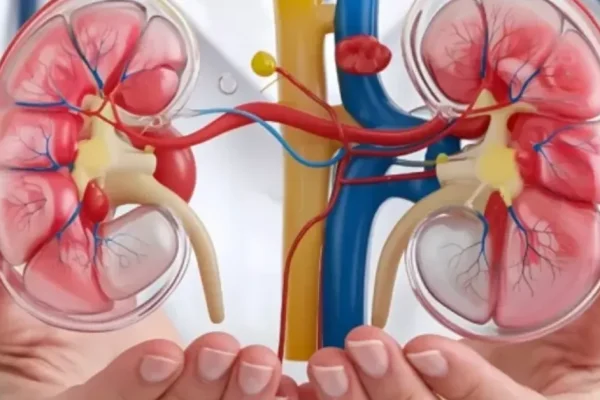
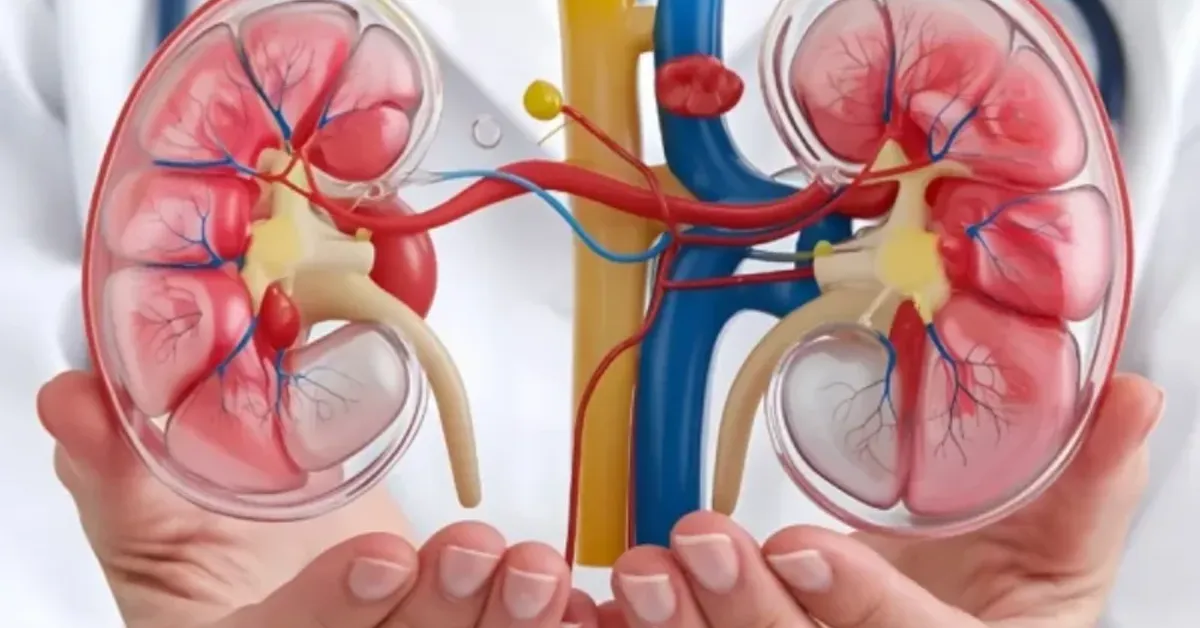
Common Symptoms of Kidney Problems
Kidney diseases may not show symptoms during the early stages. As the illness advances, patients may observe multiple physical alterations.
- Swelling in the Body: Fluid retention caused by poor kidney function can lead to swelling in the feet, legs, hands, or face.
- Changes in Urination: Frequent urination, reduced urine output, blood in urine, foamy urine, or pain during urination may indicate kidney problems.
- Constant Fatigue: When kidneys fail to remove waste efficiently, toxins remain in the blood and cause weakness and tiredness.
- Loss of Appetite: Advanced kidney disease may lead to nausea, vomiting, and poor appetite.
- High Blood Pressure: Kidney disease and high blood pressure are closely connected because damaged kidneys cannot regulate blood pressure properly.
Major Causes of Kidney Disease
Several medical and lifestyle factors can increase the risk of kidney damage.
- Diabetes: One of the primary causes of kidney disease is diabetes. Elevated blood sugar levels gradually damage kidney blood vessels.
- High Blood Pressure: Uncontrolled blood pressure slowly damages kidney tissues and affects filtering function.
- Kidney Stones: Hard mineral deposits inside the kidneys may block urine flow and cause severe pain.
- Urinary Tract Infections: Repeated infections may spread to the kidneys and lead to long term complications.
- Obesity and Poor Diet: Excess body weight and unhealthy eating habits can increase stress on the kidneys.
- Family History: Some inherited disorders increase the risk of chronic kidney disease.
Kidney Care
Kidney care has advanced significantly with modern hospitals, experienced specialists, and evidence-based treatment approaches. Patients today can receive comprehensive care for kidney infections, kidney stones, chronic kidney disease (CKD), kidney failure, dialysis support, and kidney transplant evaluation and follow-up.
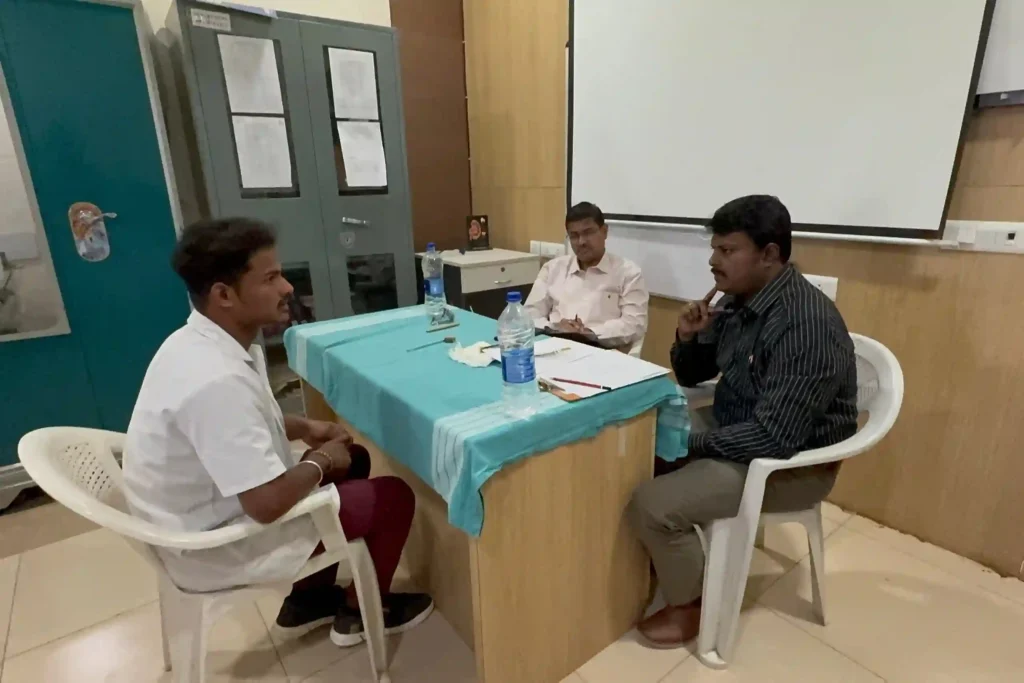
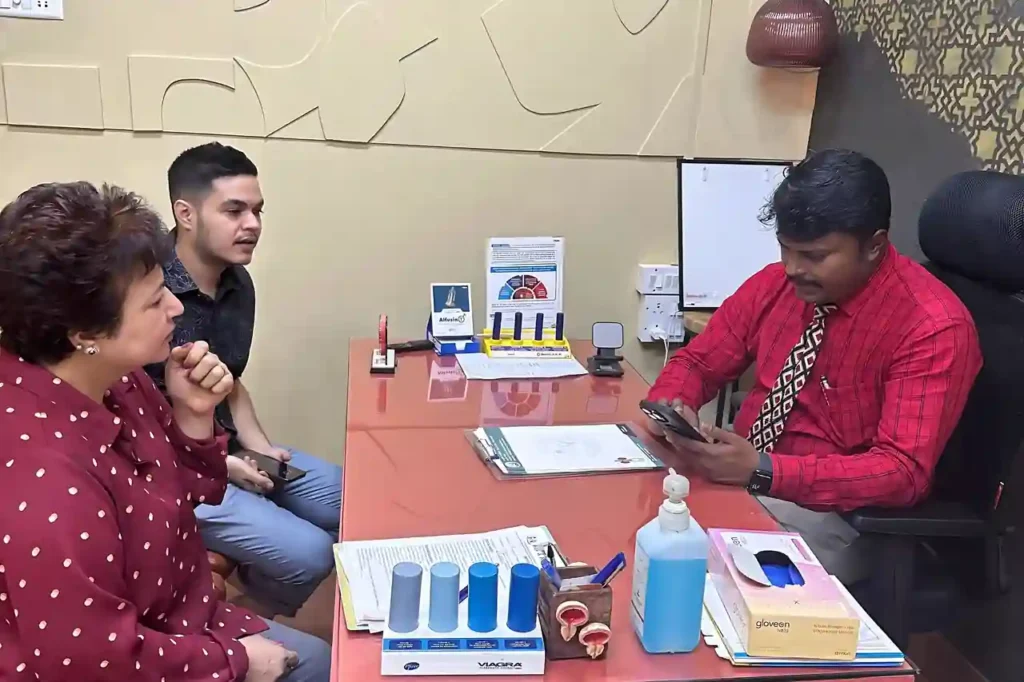
Effective kidney care begins with an accurate diagnosis. Doctors use detailed medical assessments, blood and urine tests, imaging studies, and kidney function evaluations to identify the underlying cause and recommend the most appropriate treatment. Depending on the condition, treatment may include medications, lifestyle changes, minimally invasive procedures, dialysis, or surgical intervention.
Modern healthcare facilities also focus on patient safety, early intervention, and long-term kidney health. Advanced diagnostic technology, minimally invasive techniques, and regular follow-up care help improve treatment outcomes while supporting better quality of life. In addition to medical treatment, patients often benefit from nutritional guidance, rehabilitation support, and ongoing monitoring to help slow disease progression and reduce the risk of complications.
Kidney Care for Children and Older Adults
Children and older adults require specialized kidney care because their healthcare needs differ from those of other age groups. In children, untreated urinary tract infections, congenital urinary abnormalities, and severe dehydration can affect kidney development and long-term kidney function. Parents should seek medical evaluation if a child experiences persistent fever, poor appetite, swelling, bedwetting, painful urination, or changes in urinary habits. Early diagnosis and timely treatment can help prevent complications.
Older adults have a higher risk of developing kidney disease because kidney function naturally declines with age. Common conditions such as diabetes, high blood pressure, cardiovascular disease, and the long-term use of certain medications can further increase this risk. Regular kidney function tests, proper hydration, healthy nutrition, and appropriate medication management play an important role in protecting kidney health. Routine monitoring allows healthcare professionals to detect changes early, manage kidney disease effectively, and support overall health and independence.
Services Available for Comprehensive Kidney Care
Comprehensive kidney care includes a wide range of diagnostic, medical, and supportive services to help diagnose, treat, and manage both acute and chronic kidney conditions. A multidisciplinary team of nephrologists, urologists, nurses, dietitians, and other healthcare professionals works together to provide personalized care based on each patient’s needs.
- Kidney Function Tests: Blood tests, urine tests, and kidney function assessments help evaluate how well the kidneys are working and detect abnormalities at an early stage.
- Dialysis Support: Dialysis helps remove excess waste, toxins, and fluid from the blood when the kidneys can no longer perform these functions effectively.
- Kidney Stone Treatment: Modern treatment options, including minimally invasive procedures and laser technology when clinically appropriate, help remove kidney stones while supporting faster recovery.
- Kidney Transplant Care: Transplant specialists evaluate donor and recipient compatibility, coordinate treatment planning, and provide long-term follow-up care after transplantation.
- Emergency Kidney Care: Prompt evaluation and treatment are available for serious conditions such as acute kidney injury, severe kidney infections, urinary obstruction, and other kidney-related emergencies.
- Nutritional Counseling: Registered dietitians provide personalized dietary guidance to help protect kidney function, manage underlying conditions, and support overall health during treatment and recovery.
Healthy Foods for Kidney Support
A balanced diet plays an important role in protecting kidney health.
- Fresh Fruits: Apples, berries, and grapes provide antioxidants and hydration support.
- Vegetables: Cabbage, cauliflower, and bell peppers contain nutrients beneficial for kidney health.
- Whole Grains: Brown rice and oats support digestion and maintain energy levels.
- Healthy Protein: Fish, eggs, and lean meat provide controlled protein intake.
- Low Sodium Foods: Reducing packaged foods and salty snacks helps maintain healthy blood pressure.
Advanced Treatments for Kidney Disorders
Kidney disease can now be treated using several modern and specialized medical techniques.
- Minimally Invasive Procedures: Endoscopic and laser assisted procedures help remove kidney stones with faster recovery.
- Modern Dialysis Technology: Advanced dialysis systems improve filtration efficiency and patient comfort.
- Kidney Transplantation: Kidney transplantation can improve quality of life for patients with end stage kidney disease.
- Precision Medication: Modern medicines help control blood pressure and reduce kidney damage progression.
- Robotic Assisted Surgery: Some hospitals use robotic systems for selected kidney surgeries to improve precision.